

August 10,2026/ 11:00 AM/ CBS News
Follow the latest updates on the war in the Middle East for Monday, Aug. 10, here. See earlier coverage is below.
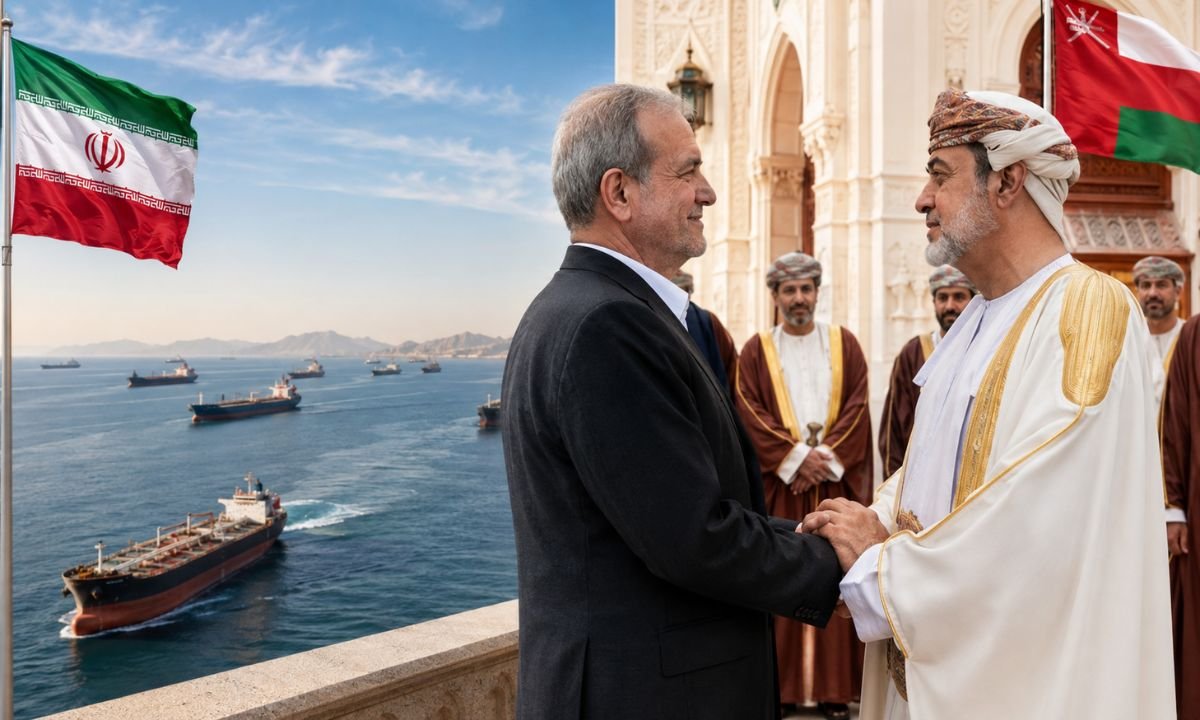
Iranian officials said this week that a deal with Oman governing navigation through the Strait of Hormuz is nearing completion, though Tehran has repeatedly cautioned that any such agreement would not amount to a full reopening of the waterway. Iran’s Foreign Ministry has described the negotiations as advancing steadily, even as the two sides continue working through unresolved details on transit routes, monitoring responsibilities and possible service charges.
The talks, which have stretched on for more than three weeks, have produced broad agreement on proposed inbound and outbound shipping lanes, with vessels entering the Gulf expected to travel closer to the Iranian coast while outbound traffic would move along a route nearer Oman. Iranian state media outlet IRNA has argued that the war has fundamentally altered the security situation around the strait and that pre-war arrangements can no longer apply.
Whether the agreement gains acceptance from other nations in the region and beyond will determine how successful the new arrangement ultimately proves to be. A senior Iranian lawmaker separately said the talks concern vessel movement and navigational routes rather than a wholesale reopening of the strategic waterway, underscoring the gap between Washington’s hopes for a swift resolution and Tehran’s more cautious framing of what any deal would achieve.
What to know about the Iran war:
The conflict between the United States, Israel and Iran began on February 28, 2026, when American and Israeli forces launched a wave of strikes on Iranian military and nuclear-linked targets, an assault that killed the country’s longtime supreme leader and left his son and successor wounded. In retaliation, Iran moved to choke off the Strait of Hormuz, a waterway through which roughly a fifth of the world’s seaborne oil and a significant share of global liquefied natural gas normally pass.
The fighting has since drawn in Yemen’s Houthi movement, Lebanon’s Hezbollah and Gulf Arab states, transforming a bilateral confrontation into a regional war now in its sixth month. Washington has imposed a naval blockade on Iranian ports, launched extended bombing campaigns, and pursued rounds of on-again, off-again diplomacy, while Tehran has struck U.S. allies, targeted commercial shipping and pressed for concessions including sanctions relief, reparations and a full American troop withdrawal from the region before agreeing to any lasting settlement. Casualties have mounted on multiple fronts, including thousands of deaths in Lebanon, hundreds of executions inside Iran, and the deaths of American service members in attacks on U.S. positions in Kuwait and elsewhere in the Gulf.
Houthi missile attacks kill at least 58 Saudi-backed Yemeni government forces, source says
Yemen’s Iran-backed Houthi movement killed at least 58 government troops and wounded dozens more in missile and drone attacks carried out in early August, according to a military source who described it as one of the deadliest days in Yemen’s civil war in four years. Houthi military spokesman Yahya Saree said the group struck government positions with ballistic missiles and drones in what it described as a response to a Saudi-backed military buildup.
Medical officials initially put the death toll lower, at 38, before the figure rose as further casualties were confirmed. The strikes hit camps belonging to several Saudi-aligned formations, including the Homeland Shield Forces and Emergency Forces, in the Marib and Hadramout provinces along the frontier with Houthi-held territory.
Yemen has increasingly become a new front in the broader Middle East war that has grown around the U.S.-Israeli conflict with Iran, with the Houthis stepping up attacks on both Yemeni government forces and Saudi Arabia itself since last month.
11 wounded in Houthi strikes on Saudi Arabia, officials say
A separate Houthi attack wounded 11 civilians in Saudi Arabia’s southern Najran region, Saudi officials said, describing the strike as part of the escalation spilling across the Yemen-Saudi border. Coalition spokesman Major General Turki al-Malki said the wounded included seven Saudi nationals, a Yemeni, two Egyptians and a Pakistani, according to a statement carried by the official Saudi Press Agency.
Al-Malki accused the Houthis of indiscriminate shelling of civilian areas and said coalition forces would continue taking steps to protect the population. The attack came as part of a broader pattern of provocations the Houthis have directed at Saudi Arabia since the previous month, adding to the wider instability gripping the region since the U.S.-Iran war erupted in late February.
Trump denies munitions shortage, but says there are some weapons “where it’s a little bit tighter”
President Donald Trump pushed back on reports that the Pentagon’s stockpiles have been significantly depleted by the war, insisting the United States possesses massive quantities of munitions even as he acknowledged that supplies of certain weapons systems are running tighter than others. Speaking in the Oval Office, Trump said the U.S. has a virtually unlimited supply of some types of weapons while conceding shortages in others, though he declined to specify which systems were affected.
Media reports, including from CNN and other outlets, have pointed to interceptors used by Patriot and Terminal High Altitude Area Defense systems as examples of inventories that have declined rapidly during the conflict. The Pentagon and White House have disputed those accounts; Defense Secretary Pete Hegseth rejected the reporting as false, and press secretary Karoline Leavitt denied a Washington Post report describing tension between Trump and Hegseth over the issue.
Analysts at the Center for Strategic and International Studies have estimated the United States entered the war with roughly 2,200 of the two most modernized Patriot interceptor variants and about 452 THAAD missiles, figures that have been cited amid growing concern in Washington and among Gulf allies about the military’s readiness for a prolonged conflict.
Trump insists Strait of Hormuz “sort of open right now”
Trump told reporters the Strait of Hormuz is “sort of open right now,” pointing to the U.S. Navy’s blockade of Iranian ports as evidence of American control over the waterway even as he acknowledged Iran retains the capacity to disrupt shipping. He said Iran could still fire on vessels or plant mines, warning that a single mine could unsettle commercial operators wary of risking valuable ships.
Trump said he had been personally involved in the ongoing negotiations, though he did not detail his specific role. His comments came even as data from analytics firm Kepler showed daily transits through the strait remaining far below pre-war norms, with fewer than 10 ships passing through on some recent days as Iran continued to require vessels to hug its coastline and seek permission before transiting.
Iranian Parliament speaker mocks Trump’s propensity to promise attacks and then call them off
Iran’s Parliament Speaker Mohammad Bagher Ghalibaf mocked President Trump’s recurring pattern of threatening major military action against Iran only to abandon those threats in favor of renewed negotiations. Writing on social media, Ghalibaf characterized the president’s approach as a repeating cycle of threatened attacks followed by a pivot back to the negotiating table, accusing him of engaging in performative diplomacy.
Trump had previously threatened what he described as the largest American military attack since World War II before standing down over the past weekend. Commentary from across the political spectrum, including from outlets generally sympathetic to Trump, has noted that he has issued Iran a “last chance” warning more than a dozen times since the war began, frequently threatening a specific strike or target before ultimately holding off.
49 ships redirected in Strait of Hormuz by U.S. military blockade
U.S. Central Command said its renewed naval blockade of Iranian ports had redirected 49 commercial vessels attempting to enter or exit Iranian waters, while disabling two ships and boarding two others to enforce compliance. The blockade, which the U.S. first imposed earlier in the year before lifting it and then reinstating it in mid-July, aims to halt maritime traffic tied to Iranian ports amid continued attacks on commercial shipping.
CENTCOM has periodically updated the tally of redirected vessels as the operation has continued, with the count climbing in subsequent updates as the blockade remained in force alongside parallel diplomatic efforts to reach a longer-term arrangement for the strait.
Israel, Lebanon talks wrap up in Rome after 3 days
Israeli and Lebanese officials concluded three days of U.S.-mediated negotiations in Rome, the seventh round of talks since a ceasefire was declared between Iran, the United States and Israel earlier in the year.
Lebanese President Joseph Aoun said the discussions, which focused on a ceasefire, house demolitions, the border and the return of prisoners, produced positive progress on border issues and prisoner matters, though the broader question of a durable ceasefire was left for the American side to address.
A State Department official described the talks as extremely productive even though the final session ended a few hours early. The negotiations aimed to build on a framework agreement reached in Washington in late June that calls for the phased withdrawal of Israeli forces from parts of southern Lebanon in exchange for the disarmament of the Iran-backed Hezbollah movement, a process that has moved slowly and remains opposed by Hezbollah itself.
Trump to speak with Saudi leader on Iran matters: Officials
Trump held a call with Saudi Crown Prince Mohammed bin Salman as part of continuing outreach between Washington and Riyadh over the direction of the Iran war, according to officials familiar with the discussions.
The Saudi Press Agency reported that the crown prince emphasized the importance of prioritizing dialogue to reduce tensions and pursuing all possible avenues toward a truce that could open the door to diplomatic solutions. Saudi officials have voiced concern that further American strikes on Iranian infrastructure could trigger retaliation against energy facilities across the Gulf, and the kingdom has used direct outreach, including a visit to Washington by Saudi Defense Minister Khalid bin Salman, to press Trump toward de-escalation. The Saudi engagement has come at pivotal moments in the conflict, including ahead of Trump’s decision to pause a planned wave of new strikes on Iran in favor of renewed talks.
Trump insists he’s “extremely happy” with Hegseth and Iran war is going “very well”
Trump dismissed reports of friction with Defense Secretary Pete Hegseth over the state of U.S. munitions stockpiles, telling reporters he remains extremely happy with Hegseth’s leadership at the Pentagon. The comments were aimed at rebutting accounts, including from the Washington Post, that suggested Trump had grown frustrated with Hegseth amid public reporting on dwindling weapons supplies.
Trump characterized the broader war effort as going very well, even as questions persisted in Washington about the military’s capacity to sustain a prolonged conflict. His remarks came the same day he addressed the munitions issue directly, arguing that while some systems are in tighter supply, the overall American arsenal remains formidable.
Oil prices rise amid continued uncertainty over Iran-Oman deal
Global oil prices climbed as traders weighed conflicting signals over whether Iran and Oman would finalize an agreement to manage traffic through the Strait of Hormuz. Brent crude settled at $83.55 a barrel after dipping below $80 earlier in the week on optimism that a deal might be imminent, according to market data.
Analysts said ship traffic through the strait is unlikely to return to pre-war levels of roughly 130 to 140 daily crossings anytime soon, a factor they expect will keep prices elevated even if an agreement is reached. Leading shipping industry groups have separately warned against the imposition of tolls or service fees in the strait, arguing in an open letter to the International Maritime Organization that such charges would raise the cost of global trade and undermine freedom of navigation, a concern that has added another layer of uncertainty to the market’s response to the ongoing negotiations.
Iran-backed Houthis kill dozens of government forces in major attack
The Houthi assault on Yemeni government positions in Marib and Hadramout provinces ranked among the deadliest single attacks of the country’s long civil war, according to government and coalition sources, with initial reports of around 30 to 45 deaths later revised upward as more information became available. Yemeni military sources said the Houthis fired at least eight missiles from Jawf governorate at targets including al-Thiniya, al-Abr and al-Rouk, hitting camps belonging to the Homeland Shield Forces, Emergency Forces and the First Military Region.
The Houthis claimed their strikes killed and wounded hundreds of fighters and destroyed weapons depots and vehicles, while urging Saudi-aligned fighters to abandon their positions. The U.S. Embassy in Yemen condemned the attack as an example of what it called Houthi terrorism against the Yemeni people, while additional Houthi missile strikes continued in the days that followed as the conflict in Yemen deepened alongside the broader regional war.
Iran threatened to “black out” Gulf countries if U.S. targeted Iranian power plants: Officials
Iran conveyed a warning to Gulf nations that it would black out the region country by country if the United States struck Iranian power plants, according to two officials cited by news agency reporting. Tehran reportedly delivered the message through intermediaries and included a detailed list of potential targets it could strike in the Gulf in retaliation. One Gulf official described the warning as unusually serious compared with similar threats Iran had issued publicly in the past.
The messaging followed Trump’s threat of what he called the biggest attack since World War II against Iran, a threat he ultimately walked back over a weekend after requests from Saudi Arabia, the United Arab Emirates and Qatar, alongside hopes for a diplomatic breakthrough. Officials said Iran’s warning specifically named power plants and water desalination facilities, infrastructure the largely desert Gulf region depends on heavily for drinking water, as potential targets for retaliation.
Israel strikes Hezbollah targets in response to killed soldiers
Israel’s military carried out fresh strikes on Hezbollah-linked targets in southern Lebanon after two of its soldiers were killed in an explosion inside a booby-trapped building, an incident the army said marked its first combat deaths since a fragile truce with Hezbollah took hold in June. The Israeli military said the strikes were a response to what it called a blatant ceasefire violation by Hezbollah, and issued an evacuation warning for the village of Mansouri, the first such warning in weeks.
A subsequent Israeli strike on the town of Tibnin hit a cemetery prayer hall, killing one person and wounding twelve others, according to Lebanon’s Health Ministry. Lebanese authorities said Israeli strikes have killed more than 4,300 people since the war widened in March, underscoring the scale of destruction even amid ongoing ceasefire negotiations.
21 alleged spies for Israel arrested in Iran, intel ministry says
Iran’s Intelligence Ministry announced the arrest of 21 people in the southeastern province of Kerman accused of collecting information on classified military and air-defense sites and passing it to Israeli intelligence. State-linked outlets reported that officials also detained four additional individuals described as armed operatives, with authorities saying they confiscated military and hunting firearms in the operation. Iranian officials have increasingly framed espionage arrests as part of a broader campaign against what they describe as foreign-backed destabilization efforts, a framing that has extended to the prosecution of people connected to nationwide protests that erupted at the start of the year. Rights groups and international observers have criticized the pace of such arrests and prosecutions, arguing they form part of a wider crackdown on dissent conducted under the cover of wartime security measures.
Iran-Oman talks nearing deal but not for full Strait of Hormuz reopening, Iran state news agency says
Iran’s state news agency reported that talks with Oman over managing the Strait of Hormuz were entering their final stages, even as officials cautioned that any resulting agreement would fall short of a complete reopening of the waterway.
Iranian Deputy Foreign Minister Kazem Gharibabadi said the two sides had reached broad agreement on proposed shipping routes after more than three weeks of negotiations, while denying that Iran was simultaneously negotiating directly with the United States over the strait.
His comments came even as Trump said separately that the waterway would reopen soon and that discussions with Tehran had been productive. One Gulf official familiar with the talks described the odds of a deal being reached within days as roughly even.
Iranian lawmaker denies Iran-Oman talks are about reopening Strait of Hormuz
A senior Iranian lawmaker pushed back on characterizations of the Iran-Oman negotiations as talks aimed at reopening the Strait of Hormuz, insisting instead that the discussions concern vessel movement and navigation routes rather than the broader question of the strait’s status.
The distinction reflects Tehran’s effort to avoid the appearance of conceding ground on the waterway’s control while still allowing for a narrower technical arrangement on shipping lanes.
The lawmaker’s comments underscored recurring tension between statements from Iran’s Foreign Ministry, which has expressed optimism about the talks, and voices within Iran’s Parliament seeking to temper expectations that any deal would restore normal maritime traffic.
Lebanon state media report new Israeli strikes in south
Lebanese state media reported fresh Israeli strikes across southern Lebanon, including on the towns of Burj al-Shamali, Majdalzoun and Mansouri, which left eight people wounded according to reports carried by Naharnet. The strikes came as Israeli and Lebanese negotiators met in Rome, with Israel requesting an early end to one day of talks after accusing the Lebanese delegation of leaking details of the discussions.
The renewed strikes underscored the gap between the diplomatic track underway in Rome and the continued military activity on the ground in southern Lebanon, where Israeli forces have maintained a presence in violation of the terms of the ceasefire agreed with Hezbollah earlier in the year.
Trump denies U.S. running low on some munitions, says vast resupplies being produced
Trump again disputed characterizations of a munitions shortfall, saying on social media that the United States has massive amounts of munitions, especially of certain types, and that large quantities are being manufactured and shipped domestically. He threatened to pursue those he described as leakers responsible for the reporting on depleted stockpiles.
His comments followed a $3 billion contract with Northrop Grumman aimed at ramping up production of key weapons systems, part of a broader push by defense contractors to accelerate output of interceptors including Patriot and Terminal High Altitude Area Defense munitions.
Despite the president’s assurances, independent estimates from defense analysts have suggested it could take years to return stockpiles of some of the most heavily used systems to pre-war levels.
At least 12 states report water system cyberattacks possibly linked to Iran
Cyberattacks suspected of being linked to Iran-backed hackers have hit water systems in at least a dozen U.S. states, including Michigan, Minnesota, Georgia, New Jersey and South Dakota, according to sources familiar with the matter. In Minnesota alone, more than 30 community water systems were affected.
In Georgia, the Clayton County Water Authority, which serves roughly 300,000 customers in the Atlanta area, said cyber activity caused a temporary drop in water pressure and prompted a boil-water advisory, though service was restored within hours. Officials said some utilities lost remote-control capabilities and were forced to switch to manual operation after hackers gained access to pumps, valves and pressure systems.
Federal agencies have not formally attributed the attacks, but the pattern echoes previous campaigns linked to an Iranian Revolutionary Guard Corps-affiliated hacking group that has targeted water infrastructure using vulnerable industrial control devices since at least 2023.
2 Israeli soldiers killed in southern Lebanon, Israel says
The Israeli military confirmed that two soldiers were killed and four others seriously wounded when an explosive device detonated inside a building in the southern Lebanese village of Majdal Zoun, marking the first Israeli combat deaths since a truce with Hezbollah took hold in June. The military identified the soldiers as army reservists Harel Birenstock and Tamir Vaknin.
An Israeli official said the nature of the explosive was still under review. The Israeli army responded with strikes across southern Lebanon that it said targeted what it described as a clear violation of the ceasefire by Hezbollah, even though the village where the explosion occurred was described by observers as having no known Hezbollah presence, a detail that added to the incident’s significance.
Commercial tanker reports explosions in Strait of Hormuz, British Navy says
A tanker transiting the Strait of Hormuz reported hearing two loud explosions while roughly nine nautical miles southeast of Kumzar, Oman, according to the United Kingdom Maritime Trade Operations organization, which tracks shipping security incidents in the region.
The delayed report indicated that both the vessel and its crew were safe and that no environmental damage had been observed. UKMTO said the cause of the explosions remained unclear and that no group had claimed responsibility. The organization advised vessels transiting the area to exercise extreme caution and report any suspicious activity, part of a continuing pattern of maritime security incidents that have disrupted commercial shipping through the strait since the war began.
Trump says U.S. was “all set for the biggest attack since World War II” when he called off Iran strikes
Trump said the United States had been fully prepared to carry out what he described as the biggest attack against Iran since World War II before he ultimately called off the planned strikes. He attributed the decision to appeals from Gulf allies, including Saudi Arabia, the United Arab Emirates and Qatar, along with hopes that a diplomatic breakthrough remained within reach.
U.S. media reports indicated the administration had been weighing strikes on Iranian energy infrastructure, a step officials had previously been reluctant to take out of concern that Tehran would retaliate against similar Gulf facilities. The episode became a recurring reference point for critics, including Iran’s own parliament speaker, who have characterized the pattern of threatened and then abandoned strikes as a defining feature of Trump’s approach to the conflict.
“It’s very difficult to communicate” with Supreme Leader Mojtaba Khamenei, Iran’s president says
Iranian President Masoud Pezeshkian said communication with Supreme Leader Mojtaba Khamenei has become very difficult, though he insisted Khamenei’s presence remains a great source of strength for the country as it navigates the war.
Khamenei, who succeeded his father after the elder Khamenei was killed in the opening strikes of the conflict and was himself reportedly wounded in the same attack, has not appeared in public since assuming the role.
He has communicated through written statements, and his limited visibility has fueled speculation about his health and his relationship with other senior officials, including reports of tension between Khamenei and Pezeshkian over the handling of the war.
Pezeshkian defended his dealings with the supreme leader as productive, describing their interactions as marked by kindness and sound judgment, while dismissing what he characterized as efforts by malicious actors to portray Khamenei differently.
Houthis claim attack on another Saudi oil tanker
Yemen’s Houthi movement claimed responsibility for a fresh attack on a Saudi oil tanker in the Red Sea, part of a broader campaign the group has waged against vessels it accused of violating a naval blockade it declared on Saudi Arabia.
Houthi military spokesman Yahya Saree said the group used ballistic and cruise missiles along with drones in the strikes, which it said caused fires aboard the targeted vessels. Saudi authorities confirmed damage to at least one tanker while saying crew members were safe.
The Houthis have framed their blockade as retaliation for what they call an unjust siege of Yemen by Saudi Arabia, while Riyadh has rejected the characterization and pointed to the group’s rejection of proposals to ease restrictions on flights between Yemen and neighboring countries.
Even with Oman deal, Iran says it won’t open strait until U.S. blockade ends
Iranian officials reiterated that even a completed agreement with Oman over navigation through the Strait of Hormuz would not translate into a full reopening of the waterway so long as the American naval blockade of Iranian ports remains in place.
Tehran has tied normalization of shipping to a broader set of demands, including an end to combat operations, the lifting of sanctions, reparations for wartime damage and the release of frozen Iranian financial assets. Iran’s Supreme National Security Council articulated a list of six conditions for resuming safe transit through the strait, underscoring that the Oman talks represent only one piece of a much larger negotiation between Washington and Tehran that remains far from resolved.
48 vessels redirected since blockade put back in place, U.S. says
U.S. Central Command reported that 48 commercial vessels had been redirected since the naval blockade against Iran was reinstated in mid-July, with the figure representing an update from earlier tallies as the operation continued.
CENTCOM said its forces had also disabled and boarded additional vessels to ensure compliance with the blockade, which aims to prevent maritime traffic tied to Iranian ports. The count of redirected ships has risen incrementally in subsequent updates from the command, reflecting the sustained pace of the blockade even as diplomatic talks over the future of the strait continued in parallel.
Israel resumes Lebanon strikes as ceasefire talks end early in Rome
Israel resumed strikes on southern Lebanon after negotiators cut short a session of ceasefire talks in Rome, with Israeli officials attributing the early conclusion to unspecified events on the ground. A State Department official described the overall discussions as extremely productive despite the abrupt ending.
The renewed Israeli strikes targeted areas including Burj al-Shamali, Majdalzoun and Mansouri, wounding several civilians according to Lebanese officials. The pattern of continued military action alongside active negotiations has characterized much of the seven rounds of U.S.-mediated talks between Israel and Lebanon since a framework agreement was reached in Washington in late June, with Hezbollah remaining opposed to the broader disarmament process at the center of the negotiations.
Iran and Oman agree to new route through Strait of Hormuz
Iran announced it had reached an agreement with Oman on a proposed shipping route through the Strait of Hormuz, describing it as a potential step toward restoring normal maritime traffic through the critical waterway. Iranian Foreign Ministry spokesman Esmail Baghaei said a joint statement between Tehran and Muscat was under review and in its final drafting stage, characterizing the negotiations as forward-moving so long as unspecified third parties did not interfere.
Under the emerging framework, inbound vessels would travel a route closer to Iran under Tehran’s coordination, while outbound traffic would move along a route closer to Oman under Muscat’s supervision, with any final agreement expected to require sign-off from both governments before implementation.
U.S. lifts sanctions on Iraqi airline linked to Iran’s Revolutionary Guards
The U.S. The Treasury Department lifted sanctions on Iraq’s Fly Baghdad airline and two of its aircraft, reversing a 2024 designation that had accused the carrier of supporting the Islamic Revolutionary Guard Corps’ Quds Force and its allied militia groups in Iraq, Syria and Lebanon.
A Treasury official said the airline had demonstrated significant changes to its operations that made the designation no longer warranted, while sanctions against the company’s previously identified owner, Basheer Abdulkadhim Alwan al-Shabbani, remained in place.
Officials emphasized that the delisting did not reflect any broader shift in U.S. policy toward the Iranian government or the Revolutionary Guard, even as the move coincided with intensifying negotiations between Washington, Tehran and Muscat over the future of the Strait of Hormuz.
Sen. Tammy Baldwin pushes Pentagon to release probe of Iranian attack that killed 6 U.S. troops in Kuwait
Wisconsin Senator Tammy Baldwin pressed the Pentagon to publicly release the results of an Army investigation into a March 1 drone strike on a U.S. command post at Port Shuaiba in Kuwait that killed six American service members and injured dozens more. In a letter to the U.S.
Central Command chief Admiral Brad Cooper Baldwin requested the full investigative report, underlying documentation and any related classified review, saying Congress and the American people deserve answers about why the facility was not adequately defended despite intelligence warnings and why wounded troops reportedly faced delays receiving proper medical care.
Soldiers who survived the attack told reporters that military leaders had seen intelligence suggesting Iran was targeting their position before the strike occurred, and that requests for additional medical supplies went unmet. The Defense Department has not indicated when it intends to release the findings.
U.N. rights chief “alarmed” by surge in executions in Iran
United Nations High Commissioner for Human Rights Volker Türk expressed alarm over a sharp rise in executions and death sentences in Iran since the war began, warning that capital punishment was being used to instill fear and suppress dissent. Türk said at least 56 people had been executed on national security-related charges since March 19, including 27 individuals connected to protests that erupted at the start of the year, with more than 100 others reportedly at risk of execution on similar charges.
He cited serious due process concerns, including allegations that confessions were obtained through torture, that some executions occurred only weeks after arrest, and that twelve defendants were sentenced to death following a single three-hour closed-door hearing. Türk called on Iranian authorities to halt all executions and move toward abolishing the death penalty altogether.
Strait of Hormuz deal does not foresee transit fees for ships, sources say
An emerging Iranian-Omani proposal to manage the Strait of Hormuz would allow ships to transit without paying tolls or service fees, according to sources familiar with the negotiations. Under the plan, inbound vessels would use a route closest to Iran under Tehran’s coordination, while outbound ships would use a route closer to Oman under Muscat’s supervision.
If finalized, the arrangement would allow the United States and Iran to return to broader negotiations under the terms of a memorandum of understanding signed in June that provided for 60 days of fee-free transit through the strait.
Fees have remained one of the most contentious elements of the talks, with Iran previously seeking charges equivalent to a significant share of cargo value and Washington firmly rejecting any toll system, a position U.S. Secretary of State Marco Rubio has said reflects established international law governing international waterways.
Iranian foreign ministry reports positive progress in Strait of Hormuz talks
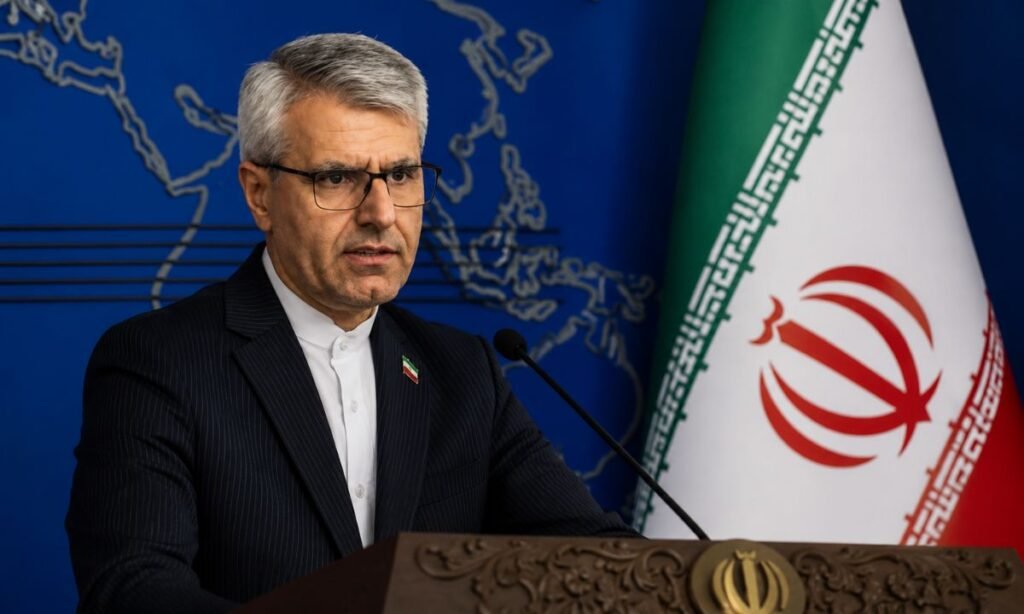
Iran’s Foreign Ministry described continued positive momentum in the negotiations with Oman over Strait of Hormuz navigation, with spokesman Esmail Baghaei characterizing the discussions as forward-moving and nearing a joint statement pending final review by both governments.
The ministry’s upbeat assessment has come alongside more cautious remarks from other Iranian officials, including lawmakers and security figures, who have stressed that the talks do not equate to a full reopening of the strait.
The dynamic has reflected a broader pattern in which Iran’s diplomatic corps has sought to project optimism about the prospects for de-escalation even as other parts of the Iranian government emphasize that significant conditions, including an end to the U.S. blockade, remain unmet.
Yemen’s Houthis say they attacked Saudi oil tanker in Red Sea
The Houthis said they carried out a missile and drone attack on a Saudi oil tanker transiting the Red Sea, part of the group’s broader campaign against vessels it says are violating its declared naval blockade of Saudi Arabia. Saudi authorities confirmed that a tanker sustained damage in the attack, while saying all crew members were accounted for and safe.
The Houthi-run Yemeni government has framed the blockade as a response to what it calls a prolonged and unjust siege imposed on Yemen’s population, while Saudi officials have rejected that characterization and condemned the attacks as violations of international law governing the safety of commercial shipping and its crews.
Strait of Hormuz announcement could come Wednesday or Thursday, Trump suggests
Trump suggested that an announcement on a deal to reopen the Strait of Hormuz could come as early as Wednesday or Thursday, reflecting the administration’s hopes for an imminent breakthrough in talks involving Iran, Oman and the United States.
Axios reported that the White House had targeted a Wednesday announcement in particular, though no formal agreement materialized on that timeline. Vice President JD Vance said separately that the administration was seeking to maximize the flow of oil and gas through the strait and that Iran and Oman were working toward a traffic scheme allowing ships to pass safely, with a deal requiring an Iranian commitment not to fire on commercial vessels.
Iran-Oman talks focusing on proposal to reopen Strait of Hormuz, source says
A source close to the negotiations said talks between Iran and Oman have centered on a specific proposal for managing traffic through the Strait of Hormuz, one that would divide responsibility for inbound and outbound shipping lanes between the two countries.
The proposal, which has been described to multiple news organizations by officials with knowledge of the discussions, reflects an effort to formalize navigation arrangements that Iran effectively disrupted after the war began, while leaving open unresolved questions about fees, monitoring authority and the duration of any interim arrangement before a longer-term framework involving other Gulf states is established.
U.S. has used nearly all its stockpile of long-range missiles in Iran war, sources say
The United States has used virtually all of its global stockpile of long-range precision missiles during the war with Iran, according to multiple sources with direct knowledge of military data. The depletion primarily affects the Army’s Tactical Missile Systems, known as ATACMS, and its newer Precision Strike Missiles, both surface-to-surface weapons capable of striking targets from a safe distance.
One source said the drawdown reflected a Trump administration decision to rely on these missiles rather than riskier methods such as piloted aircraft to strike targets inside Iran. Military leaders have for weeks warned the president about dwindling stockpiles of defensive systems as well, including Patriot interceptors, concerns that featured in internal discussions about whether to pursue further large-scale strikes on Iran.
A Pentagon spokesperson maintained that the U.S. military possesses a deep arsenal of capabilities and has executed multiple successful operations across combatant commands, even as independent estimates suggest it could take years to rebuild stockpiles of the most heavily used systems to pre-war levels.