

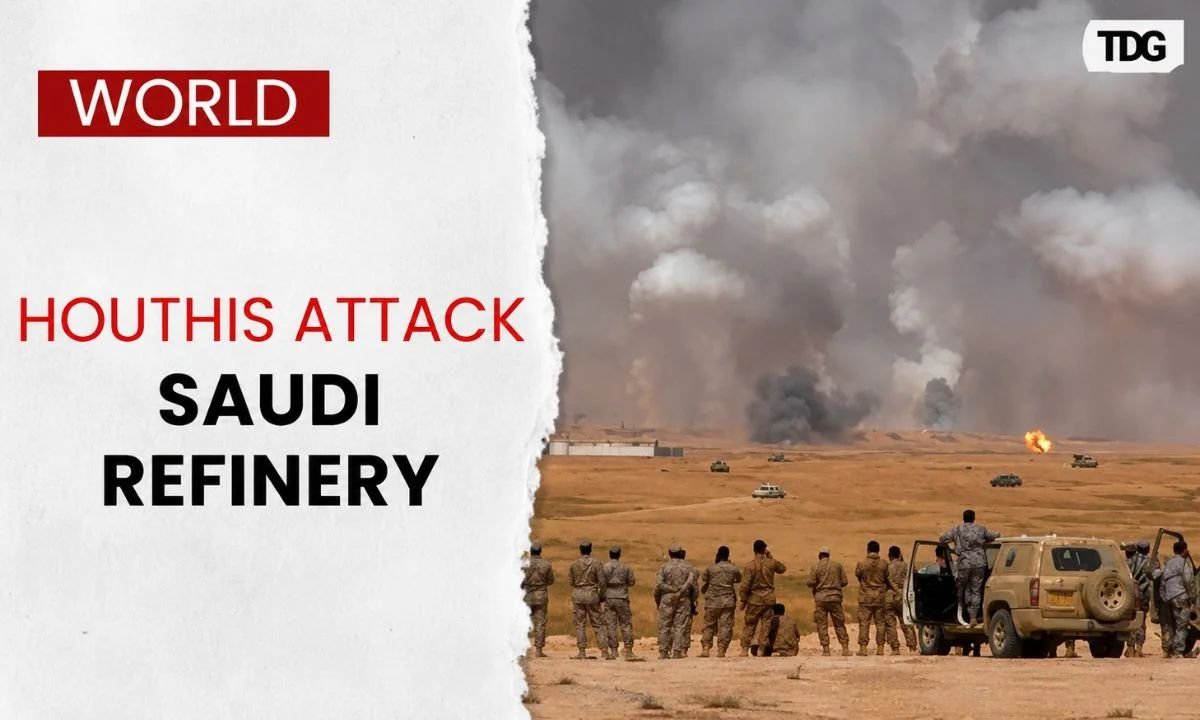
Yemen’s Iran-aligned Houthi movement said on Sunday, August 9, 2026, that it had struck Saudi Aramco’s Jazan refinery with a drone, marking a fresh escalation just two days after Saudi Arabia signed a defence pact with Turkey and Pakistan. The attack came as growing regional instability from the U.S.-Israeli war on Iran continued to spread across the wider Middle East. The new alliance with Turkey and Pakistan is intended to strengthen collective deterrence against any act of aggression and stipulates that an armed attack against any of the three nations would be regarded as an attack on all of them, though it remained unclear whether or how either Ankara or Islamabad would participate in any Saudi response to the latest Houthi strikes.
Houthi military spokesperson Yahya Saree announced the strike on Aramco’s Jazan facility on social media platform X, noting that the group had targeted Aramco sites in Jazan before and had also previously struck the Red Sea export hub of Yanbu. Saree said the group had “succeeded in targeting the Aramco refinery in Jizan with a drone, and the strike was precise,” adding that the operation was carried out in response to what the Houthis described as Saudi Arabia’s breach of Yemeni airspace over the provinces of Saada and Hajjah using drones. The Saudi Energy Ministry confirmed that a fire had broken out at the refinery early Sunday but said it was later extinguished, with no injuries reported, and that relevant authorities were completing the necessary procedures to deal with the incident.
The strike came roughly a month after the Houthis declared a naval blockade against Saudi Arabia in the Red Sea, an action the group said was a response to what it characterized as a Saudi siege against Yemen, an allegation Riyadh has denied. The renewed hostilities have placed further strain on a 2022 truce that has governed the long-running war between the Houthis, who seized control of the capital Sanaa in 2014, and Yemen’s internationally recognized government, which is backed militarily and financially by Saudi Arabia.
In a separate development the same day, the Houthis said they had also carried out missile and drone strikes against the Yemeni Red Sea port city of Mocha, which is controlled by forces aligned with the Aden-based government. The port lies close to the strategically vital Bab el-Mandeb Strait, which links the southern Red Sea to the Gulf of Aden and the Indian Ocean, and which would deprive Saudi Arabia of an alternative route to the Strait of Hormuz should it ever be closed.
JAZAN REFINERY WAS SHUT IN LATE JULY
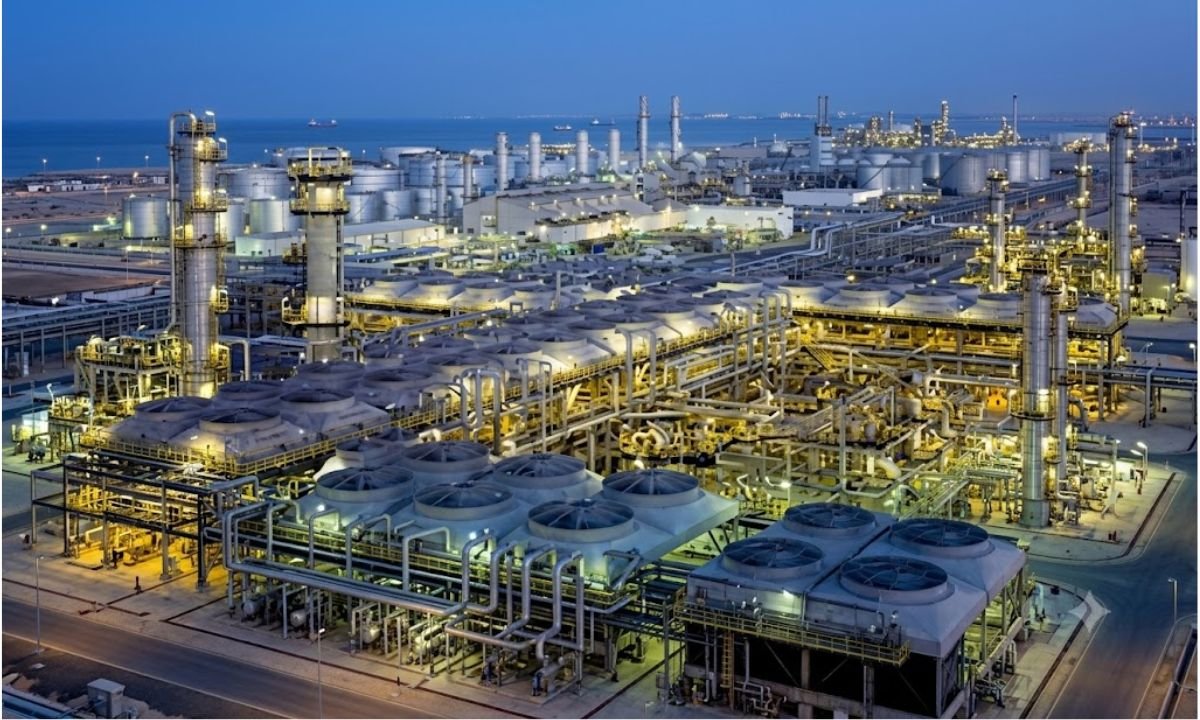
Sunday’s fire was not the first time the Jazan refinery had come under attack in recent weeks. Saudi Aramco had already shut down the 400,000-barrel-per-day facility on July 27 following an earlier Houthi assault carried out the previous Saturday, according to a note from consultancy IIR seen by Reuters. That attack damaged the plant’s Integrated Gasification Combined Cycle complex, along with its tank farm area, and Aramco had tentatively targeted completing repairs and restarting the plant by August 15.
The July assault marked the first such strikes on Saudi oil facilities by the Houthis since 2022, with Saree stating at the time that the group had fired ballistic missiles and drones at Aramco facilities in both Yanbu and Jazan. Satellite imagery captured in the days following the attack showed a large plume of smoke rising from the refinery complex, offering visual confirmation of the scale of the damage even as Aramco declined to issue a detailed public statement on the operational impact. The extent of the damage, the specific units affected, and the expected duration of the shutdown were not immediately made clear by the company.
The Jazan refinery, one of Aramco’s newest and most advanced refining complexes, has not processed a barrel of crude since the July 27 shutdown, and the outage has drawn attention well beyond Saudi Arabia because of its implications for regional fuel supplies. Analysts have noted that while crude oil is fungible and can be stored or rerouted relatively easily, refined products such as diesel and jet fuel depend on functioning refinery infrastructure that cannot simply be replaced by tapping alternative crude supplies, meaning that a strike capable of taking a refinery offline can have an outsized effect on fuel markets even if the broader crude market appears largely unaffected. Refining margins for gasoline and diesel had already climbed to record highs in July following the broader Middle East escalation, compounding the pressure created by the Jazan outage.
Sunday’s renewed fire at the facility effectively occurred just days before its planned restart, underscoring how vulnerable the plant remains even as repair work was said to be nearing completion. The Saudi Energy Ministry’s statement on the latest incident was notably narrow, emphasizing that the blaze had been extinguished and that no one was hurt, while leaving out the broader context that the refinery had already been shut for weeks with its restart penciled in for mid-August.
SEVEN PEOPLE KILLED, YEMENI SPOKESPERSON SAYS
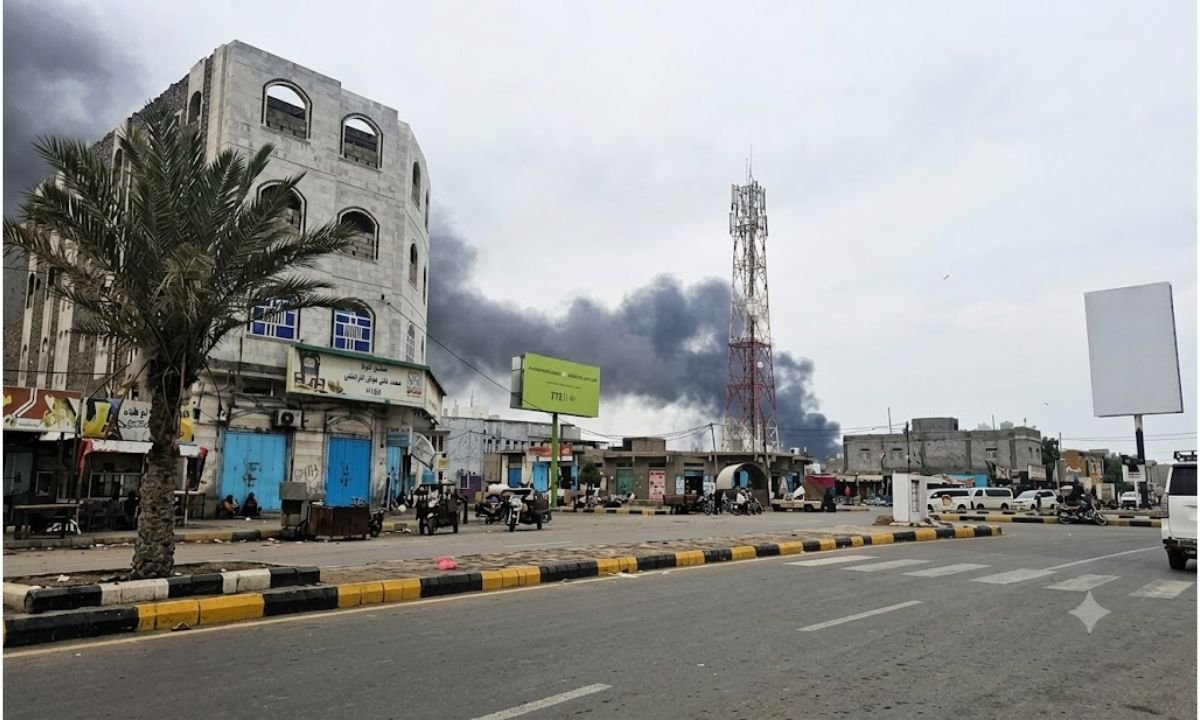
Beyond the refinery strike, the Houthis’ broader wave of attacks on Sunday proved considerably more deadly on the ground in Yemen itself. According to Yemen’s National Resistance Forces, which are aligned with the internationally recognized Yemeni government, at least seven people were killed in the Houthi strike on the Red Sea port of Mokha. The Houthis said the attack on Mokha involved missiles and drones directed at what they described as Saudi soldiers and military equipment stationed at the port.
Fox News, cited by UPI, reported that four military personnel and three civilians were killed in the assault, while fifteen additional civilians were injured, and that the attack severely damaged a pier along with several buildings at the port. Saree described the Mocha operation as a large-scale and precise military action carried out using a substantial number of ballistic missiles and drones.
The casualty figures were disclosed even as tensions between the Houthis and forces loyal to Yemen’s internationally recognized government continued to mount elsewhere in the country. A statement from a spokesperson for the Yemeni Armed Forces accused the Houthis of having plundered the country’s resources and wealth, devastated its economy, and dragged Yemen into regional conflicts in service of foreign agendas, following a separate military operation conducted by Yemeni government forces against Houthi positions.
The combination of the Mocha port strike and the Jazan refinery attack illustrated the extent to which the conflict between the Houthis and the Saudi-led coalition has widened into a two-front confrontation, spanning both Yemeni territory and Saudi energy infrastructure, at a moment when the wider region remains destabilized by the ongoing U.S.-Israeli war with Iran.